Skin Barrier
The outermost layers help limit excessive water loss and protect against everyday external stress. Gentle cleansing and appropriate moisturising support barrier comfort.
Explore how the skin barrier, hydration, oil balance and visible concerns interact — then connect the science to practical cosmetic care and ELIXORA routines.
Educational cosmetic skincare information • Not a medical diagnosisThe outer skin acts as a protective interface. Its appearance can change with water balance, surface lipids, environmental exposure, cleansing habits, age and individual skin behaviour.
The outermost layers help limit excessive water loss and protect against everyday external stress. Gentle cleansing and appropriate moisturising support barrier comfort.
Dehydration describes insufficient water in the outer skin and can occur across different skin types. It may feel tight, rough or less supple.
Sebum contributes to the skin surface. Too much can create shine and congestion; too little can contribute to a dry, less comfortable feel.
Surface cell turnover and buildup influence smoothness and radiance. Controlled exfoliation can improve feel and appearance when skin tolerates it.
Your base skin type can be normal/balanced, dry, oily or combination. Dehydration, sensitivity, congestion, uneven tone and visible ageing are separate concerns or temporary states that can occur across more than one skin type.
Usually comfortable, with relatively balanced oil and moisture and no strong tendency toward persistent dryness or excess shine.
Usually produces less surface oil and may feel rough, tight or less supple. Dry skin can also become dehydrated.
Usually develops more visible shine and sebum, often with more noticeable pores. Oily skin can still be dehydrated.
Different zones behave differently — commonly an oilier T-zone with more balanced or drier-feeling cheeks.
Explore common visible skin concerns through real-skin photographic references and ELIXORA educational guidance. These guides explain appearance, common contributing factors and cosmetic-care priorities — not medical diagnosis.
 HYDRATION
Skin may feel tight, rough or less supple when the outer layers lack water. Dehydration can occur in dry, oily, normal or combination skin.
Low humidity, frequent washing, harsh cleansing, hot water and a disrupted surface barrier can increase water loss.
Gentle cleansing, humectants and barrier-supportive moisturising. Look for glycerin, betaine, sodium hyaluronate, panthenol, ectoin, ceramides and squalane.
Gentle Facial Cleanser → Day Cream + sunscreen
Gentle Facial Cleanser → Moisturizer or Night Cream
Persistent cracking, painful inflammation, oozing or severe itching should be assessed by a healthcare professional.
 COMFORT
Skin may temporarily sting, feel hot or tight, or show visible redness after products, weather changes or over-exfoliation.
A stressed barrier, strong products, fragrance sensitivity, repeated exfoliation and environmental exposure can increase reactivity.
Simplify. Introduce one product at a time, patch test when appropriate, use gentle cleansing and prioritise barrier-supportive hydration.
Gentle Cleanser → simple moisturising care + sunscreen
Gentle Cleanser → barrier-supportive moisturising care
Persistent redness, swelling, rash, pain, hives or burning needs qualified medical assessment.
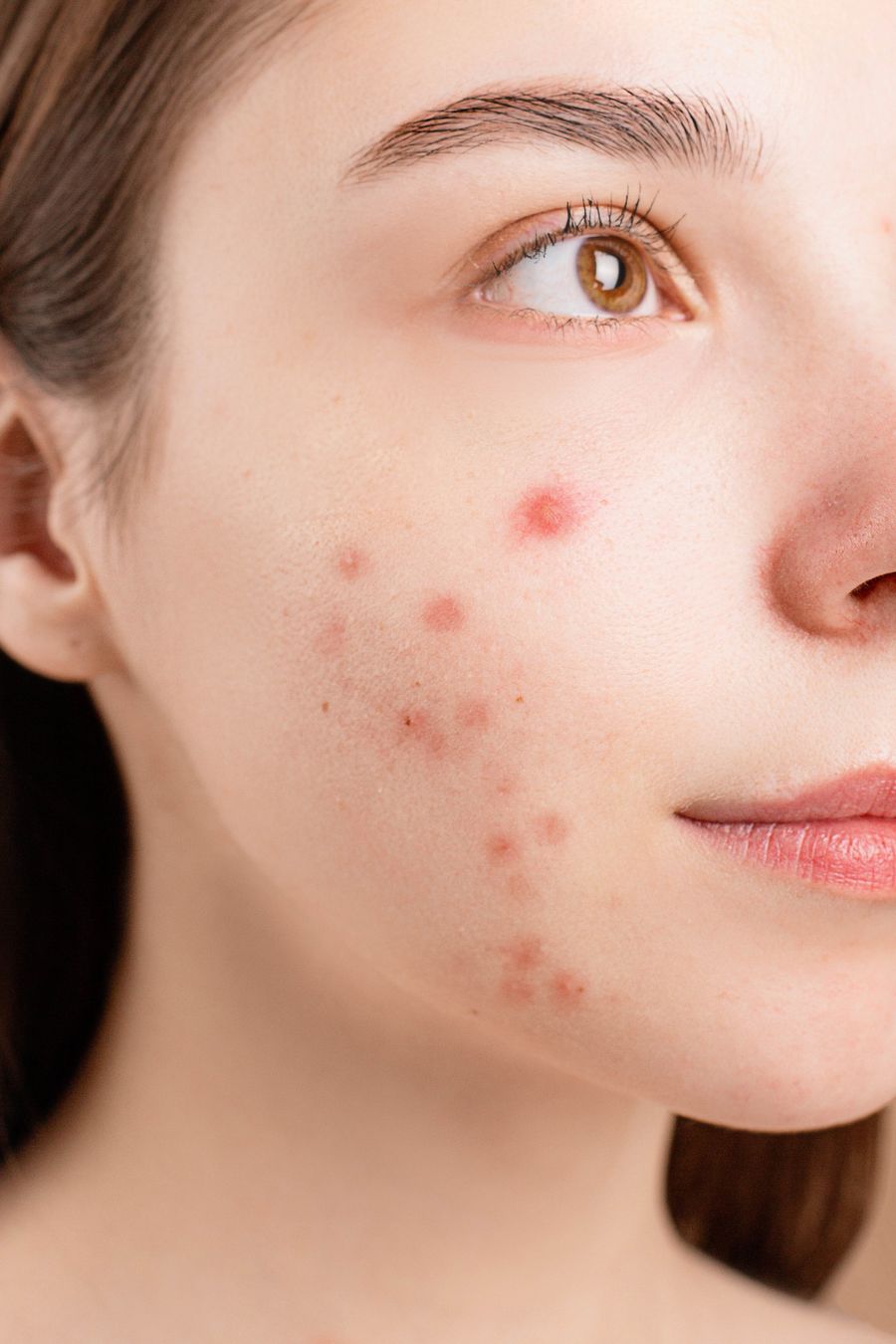 CLARITY
Blackheads, whiteheads, clogged-feeling pores, excess shine or blemishes may appear in oil-prone areas.
Sebum, surface cell buildup and follicular blockage can contribute. Acne is a medical condition with multiple causes; cosmetic skincare can support cleansing and comfort but does not replace treatment.
Cleanse gently, avoid aggressive scrubbing of inflamed areas and choose non-heavy hydration. Physical polish is only for calm, tolerant skin—not active inflamed acne.
Gentle Facial Cleanser → Day Cream + sunscreen
Gentle Facial Cleanser → suitable moisturiser
Painful cysts, scarring, widespread or persistent acne should be assessed by a dermatologist or qualified clinician.
 TONE
Areas may look darker than surrounding skin, including marks left after blemishes or uneven-looking sun-exposed tone.
Visible pigmentation can be influenced by melanin production, UV exposure, inflammation and individual skin biology. Different pigmentation disorders have different causes.
Daily broad-spectrum sunscreen is essential. Niacinamide + N-acetyl glucosamine can support a brighter, more even-looking cosmetic appearance alongside hydration and barrier care.
Day Cream → separate broad-spectrum sunscreen
Cleanser → Night Cream
New, rapidly changing, irregular, bleeding or otherwise concerning pigmented lesions require medical assessment.
 RADIANCE
Skin can look less luminous, flat or tired even without a single obvious problem.
Surface dryness, buildup, uneven texture, insufficient sleep, environmental exposure and uneven-looking tone can all affect how light reflects from skin.
Start with hydration and consistent sunscreen. If skin is calm and tolerant, controlled exfoliation can support smoother-looking texture and radiance.
Cleanser → Day Cream + sunscreen
Cleanser → Night Cream; Polish 1–2× weekly only if tolerated
Persistent colour change or symptoms such as rash or pain are not simply “dullness” and deserve assessment.
 TEXTURE
Skin may feel uneven or rough, while pores can appear more noticeable in oilier or textured areas.
Dry surface buildup, oil, follicular structure and natural pore size all affect texture. Pores cannot literally be opened or permanently erased by cosmetics.
Hydrate first. Use gentle cleansing and, only when appropriate, controlled exfoliation. Avoid aggressive scrubbing.
Cleanser → Day Cream + sunscreen
Cleanser → moisturiser; Polish 1–2× weekly if suitable
Sudden textural changes, persistent rash or inflamed lesions should be professionally assessed.
 BARRIER
Tightness, roughness, increased sensitivity or discomfort can appear when the skin surface is over-stripped or stressed.
Frequent exfoliation, harsh cleansing, environmental exposure and incompatible product combinations can reduce barrier comfort.
Reduce unnecessary actives, cleanse gently and focus on moisturising ingredients such as ceramides, panthenol, ectoin, squalane and humectants.
Gentle Cleanser → Moisturizer/Day Cream + sunscreen
Gentle Cleanser → Moisturizer or Night Cream
Severe burning, swelling, cracking, infection or persistent dermatitis-like symptoms need medical advice.
 AGE SUPPORT
Fine lines, dryness, reduced bounce and uneven-looking tone can become more noticeable over time.
Intrinsic ageing and cumulative environmental exposure—including UV—affect skin structure, hydration and appearance. Cosmetics can support appearance but cannot stop biological ageing.
Daily broad-spectrum sunscreen, consistent moisturising and barrier support are foundational. Hydration can soften the appearance of dehydration-related fine lines.
Cleanser → Day Cream + sunscreen
Cleanser → Overnight Radiance Night Cream
Rapid or unusual skin changes should not be assumed to be ageing; seek assessment when concerned.
These are key cosmetic ingredients used across the current ELIXORA retail range. Their role depends on the complete formula, product format and how the product is used.
Supports skin conditioning, barrier function and a brighter, more even-looking complexion.
Found in: Cleanser, Moisturizer, Day Cream, Night CreamUsed in the Day and Night Creams alongside niacinamide to support smoother, more even-looking skin.
Found in: Day Cream, Night CreamA multifunctional skincare ingredient used to complement hydration and barrier-focused care.
Found in: Moisturizer, Day Cream, Night CreamA hyaluronic-acid salt that helps bind water at the skin surface for a softer, more hydrated feel.
Found in: Moisturizer, Day Cream, Night CreamSupports hydration and skin comfort and is commonly used in gentle, barrier-conscious formulas.
Found across the ELIXORA retail rangeComplements the skin's lipid-focused care to support a conditioned, comfortable barrier feel.
Found in: Moisturizer, Day Cream, Night CreamHelps soften and smooth the skin surface without relying on a heavy greasy finish.
Found in: Moisturizer, Facial Polish, Day Cream, Night CreamUsed in selected ELIXORA products to complement soothing, conditioning and gentle skincare positioning.
Allantoin: retail range • Colloidal Oatmeal: Moisturizer & PolishStart with the essentials, then add only what your skin needs and tolerates.
Remove daily oil, sunscreen, makeup residue and surface impurities without an aggressively stripped after-feel.
Gentle Facial Cleanser →Use lightweight daytime hydration and barrier support. Follow with a separate broad-spectrum sunscreen.
Daily Radiance Cream →Finish with moisturising care suited to your skin's comfort and richness preference.
Night Cream →For tolerant, non-inflamed skin, controlled physical exfoliation can help improve surface smoothness.
Gentle Facial Polish →REAL SKIN INDIVIDUAL NEEDS
 SMARTER CARE
Use ELIXORA Skin Intelligence™ to connect your self-reported skin behaviour and visible concerns with a clear, practical AM / PM skincare routine.
Answer 12 focused questions about oil balance, hydration, reactivity and visible concerns. Get a practical cosmetic skin profile and matched AM / PM routine.
Use these ELIXORA tools to move from skin education to practical cosmetic care without turning a self-assessment into a diagnosis.
Understand the cosmetic role of key ingredients used in the current ELIXORA retail range.
Explore ingredients →02See a simple AM / PM framework and where each current ELIXORA retail product fits.
Build a routine →03Answer guided questions and receive a profile-led routine direction based on self-reported skin behaviour.
Start assessment →ELIXORA Skin Science is educational and does not diagnose or treat disease. Seek qualified medical advice for persistent or severe acne, rapidly changing pigmentation, painful or spreading rashes, swelling, infection, significant burning, bleeding lesions or any skin change that concerns you.